


IVDD in Dogs 🐕 Causes, Symptoms, & Support

Intervertebral Disc Disease (IVDD) is a spinal condition that affects many dogs, especially small or long-backed breeds like Dachshunds, Corgis, and Shih Tzus. While it can sound intimidating, understanding what IVDD is and how to manage it can help your dog live a more comfortable, happy life.
🦴 WHAT IS IVDD?
IVDD stands for Intervertebral Disc Disease. It occurs when the discs between a dog’s vertebrae (spinal bones) become damaged or displaced. These discs act like cushions, providing flexibility and shock absorption along the spine. When a disc ruptures or bulges, it can press on the spinal cord and nerves, leading to pain, nerve damage, or even paralysis.

There are two main types of IVDD:
Type I: Common in younger dogs with sudden disc rupture, often in chondrodystrophic breeds (like Dachshunds).
Type II: A gradual disc degeneration seen more in older dogs and larger breeds.
----------
🐕 BREEDS AT RISK
While any dog can develop IVDD, some are genetically predisposed:
Dachshunds
French Bulldogs
Beagles
Cocker Spaniels
Shih Tzus
Corgis
Pekingese
Lhasa Apsos
----------
🔍 SIGNS + SYMPTOMS OF IVDD
IVDD symptoms range from mild to severe and can affect different parts of the body depending on where the spine is damaged. Look 👀 out for:
Reluctance to jump or climb stairs
Yelping or sudden pain when touched or picked up
Wobbly walking or unsteadiness in back legs
Weakness or dragging of one or more limbs
Inability to walk
Loss of bladder or bowel control
Arched back or tense abdomen
If you notice any of these signs, especially sudden paralysis, contact your VET immediately—IVDD can be a medical emergency when severe.
----------
🏨 IVDD DIAGNOSES
Your vet may recommend:
A physical and neurological exam
X-rays or CT/MRI scans to locate the affected disc
Myelography (a special dye test for spinal issues)
Early diagnosis can lead to better outcomes and faster relief.
----------
🩺 IVDD TREATMENTS
Treatment depends on the severity of the disease:
Conservative (Non-surgical) Treatment. This approach is often used for mild to moderate cases, or when surgery isn’t a viable option.
Strict crate rest (usually 4–6 weeks)
Anti-inflammatory medications and pain relievers
Physical therapy or acupuncture
Supplements for joint and spinal health (like omega-3s or CBD for dogs)
Surgical Treatment.
Surgery may be needed for dogs with severe symptoms or paralysis.
It involves removing the damaged disc material to relieve pressure on the spinal cord.
Post-op recovery includes physical therapy, crate rest, and careful monitoring.
----------
🏠 LONG-TERM CARE
Use ramps instead of stairs
Provide supportive orthopedic bedding
Limit jumping (especially on furniture)
Consider a dog wheelchair or harness if mobility is compromised
Follow your vet’s rehab plan closely.
---
🐶 LIVING WITH IVDD
IVDD can be scary, but many dogs go on to live full, happy lives with proper care. Whether your pup recovers fully or needs ongoing support, your love, patience, and a well-structured routine can make all the difference.
----------
🦮 LA BARKERIA MOBILITY TREATS & IVDD
CBD (cannabidiol), a non-psychoactive compound derived from the hemp plant, has gained attention as a natural support option for dogs with IVDD (Intervertebral Disc Disease). While it’s not a cure, it can play a supportive role in managing pain, inflammation, and mobility, especially when used alongside a vet-guided treatment plan.
Here’s how CBD may help dogs with IVDD:
----------
🌿 PAIN MANAGEMENT
CBD interacts with a dog’s endocannabinoid system (ECS) — a network of receptors that help regulate pain, mood, and inflammation. By stimulating these receptors, CBD may:
Reduce neuropathic (nerve-related) pain caused by spinal disc pressure
Minimize discomfort without the sedating side effects of some traditional pain medications
📝This can be especially helpful in dogs recovering from surgery or on crate rest.
----------
🔥 ANTI-INFLAMMATORY
Inflammation around the spinal cord is one of the key causes of IVDD pain and nerve impairment. CBD has been shown in studies to:
Decrease inflammation markers
Calm immune responses that aggravate spinal injury
💡 Reducing inflammation can support healing and make other treatments (like physical therapy) more effective.
----------
😌 ANTI-ANXIETY
Dogs with IVDD often experience:
Muscle tightness from compensation or guarding the painful area
Anxiety or restlessness due to pain or crate confinement
CBD has natural calming properties that can:
Help muscles relax and reduce spasms
Ease anxiety and promote restful sleep
Improve crate tolerance during recovery
----------
🧠 NEUROPROTECTIVE SUPPORT
Some preliminary studies suggest that CBD might have neuroprotective effects—meaning it may help protect nerve tissue from damage. While research in this area is still developing, it shows promise for dogs with spinal cord compression or damage from IVDD.
----------
🐶 CBD FOR DOGS WITH IVDD
Always consult your vet first, especially if your dog is on other medications. Here are a few tips:
Choose full-spectrum hemp CBD (includes beneficial plant compounds, but 0.3% THC or less)
Use dog-specific formulas, ideally third-party lab-tested
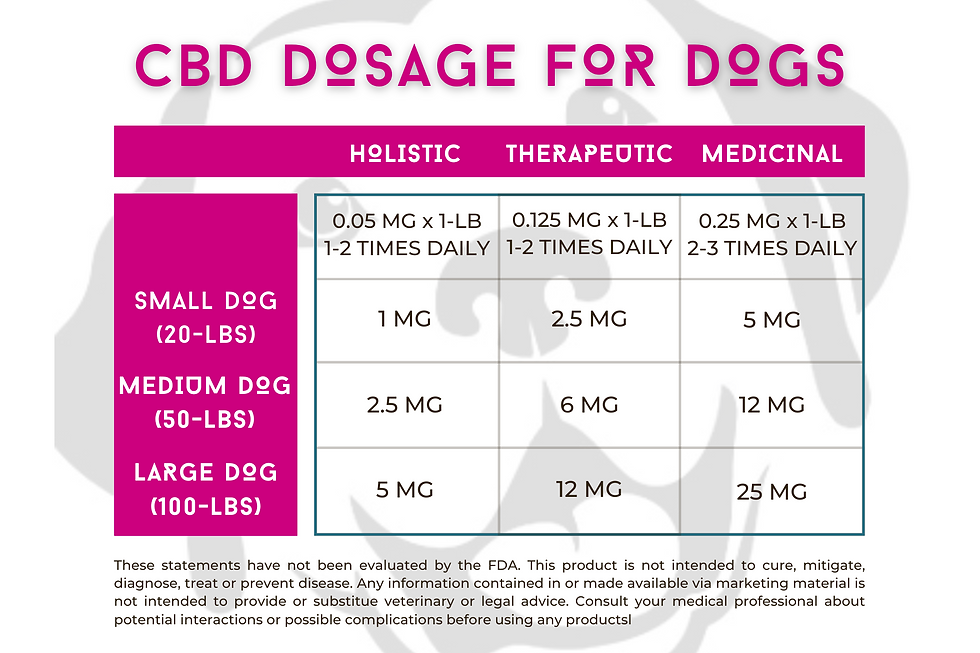
Start with a low dose (0.25 mg CBD per lb of body weight) and adjust based on results
Monitor for side effects like sedation or stomach upset
----------
🤔 FINAL THOUGHTS
CBD is not a replacement for surgery or vet-prescribed treatment for IVDD, but it can be a gentle, natural way to support your dog’s recovery and comfort. Whether your pup is recovering from disc surgery or managing IVDD non-surgically, CBD may help reduce pain, inflammation, and stress—so they can feel like themselves again.


Comments